
As Artemis II Advances, Questions Emerge Over U.S. Leadership in Space Exploration

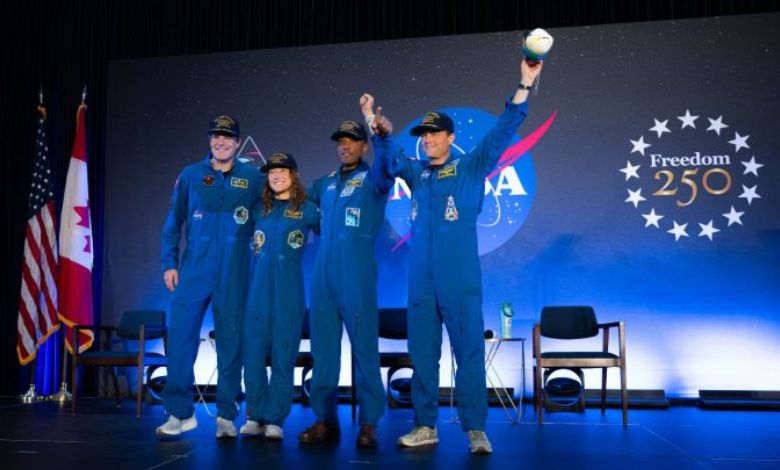
The successful Artemis II mission marked a historic milestone, completing the first crewed lunar fly-by in over five decades and achieving the farthest distance humans have travelled from Earth since the Apollo era. The mission also celebrated important representation milestones, including the first woman and the first person of colour to orbit the Moon.
While widely recognised as a major engineering and scientific achievement, the mission has also prompted broader debate about the future of space governance and U.S. leadership. As NASA advances plans for a sustained lunar presence and potential resource utilisation, questions have emerged over how lunar activities will be regulated under existing international frameworks.
The U.S.-led Artemis Accords aim to shape norms for space exploration, but critics argue they may lack inclusive, multilateral consensus. Observers also highlight growing geopolitical competition in space, particularly with China, alongside concerns about how terrestrial political behaviour could influence future conduct beyond Earth.
The discussion underscores the need for clearer global rules in space.