Marine Wildlife Conservation in Indonesia: UGM Expert Highlights Limited Research Efforts

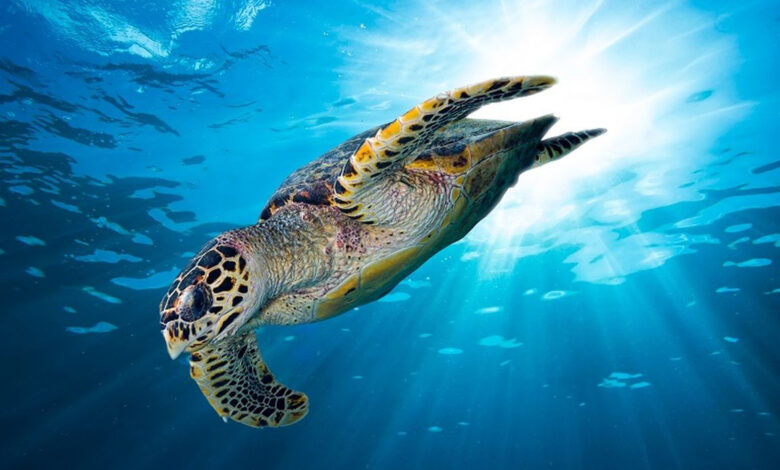
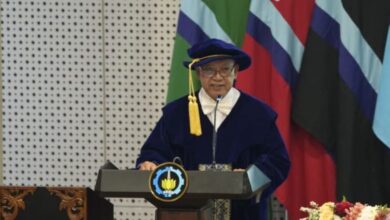
Several challenges continue to exist in marine wildlife research and conservation in Indonesia, despite the country’s notable biodiversity, according to insights from Professor Budi Setiadi Daryono, Dean of the Faculty of Biology at Universitas Gadjah Mada (UGM). As one of the world’s megadiverse nations, Indonesia hosts substantial portions of its biodiversity within its marine ecosystems. However, unregulated hunting and declining populations of various marine species pose significant threats, prompting the government to designate certain species such as sea turtles, dugongs, and manta rays as protected.
Importance of Marine Ecosystems
In a discussion held in observance of World Wildlife Day on March 3, Professor Budi highlighted that wildlife ecosystems encompass not only terrestrial but also marine environments. He indicated that habitats for marine wildlife, particularly around Indonesia’s smaller islands, are at risk and require revitalization efforts aimed at incorporating maritime culture into the education of younger generations, alongside initiatives for empowering local communities.
Critique of Economic Development Models
The professor criticized the current economic development model, which he argues focuses too narrowly on per capita income. He suggested a shift towards sustainable development that recognizes the value of natural wealth and biodiversity. Concerns were raised regarding the degradation of maritime culture, largely attributed to centralized education systems that frequently overlook the significance of the ocean as an essential resource.
Reassessing Consumption and Education
Additionally, Professor Budi noted that the societal consumption of fish is relatively low in Indonesia and emphasized the need to reintroduce this knowledge into educational curricula to highlight its importance. He argued that a nation’s success is closely tied to an advanced education system that promotes familiarity with and appreciation for natural resources, alongside technological progress.
Increasing Research Funding
He stressed the imperative to increase research funding to gather data on regional marine potential. The extraction of resources by external entities presents risks to local food sources, and consequently, local communities should be equipped with the knowledge and data necessary to manage their marine resources effectively.
Exploration of Marine Areas
Finally, Professor Budi pointed out that less than 15 percent of Indonesia’s seas have been explored, illustrating the urgent need for relevant research. He asserted that marine research should prioritize generating valuable insights that communities can utilize to independently navigate and develop their marine resources.
Source: Universitas Gadjah Mada.