China Daily Interviews NJU Scholar on APEC Economic Leaders’ Meeting and Green Transition

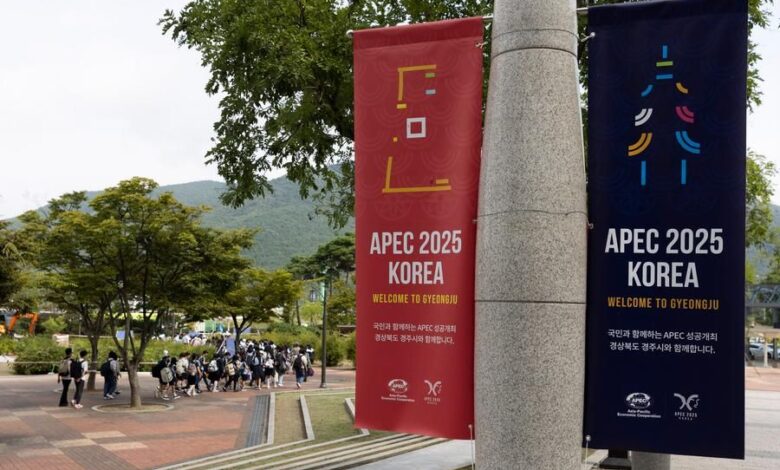
The 32nd APEC Economic Leaders’ Meeting, which took place in Gyeongju, South Korea, centered on the theme “Building A Sustainable Tomorrow.” The meeting aimed to enhance regional cooperation to promote a green transition, with notable contributions from Ma Bo, an associate professor at the School of International Studies at Nanjing University. Ma emphasized the roles of innovation, connectivity, and partnership in facilitating sustainability efforts.
Dual Emphasis on Trade and Digital Innovation
The discussions during the meeting highlighted a dual emphasis on trade and digital innovation, alongside a commitment to accelerate the green transition in the Asia-Pacific region. China’s significant progress in the new energy vehicle (NEV) sector is cited as a key example of successful regional collaboration, aligning APEC’s sustainability objectives with China’s NEV strategy.
Integration of Low-Emission Transportation
The integration of low-emission transportation has transitioned from a niche interest to a foundational aspect of regional economic development, demonstrating how coordinated policies can deliver both environmental and economic advantages. Collaborative agreements between China and ASEAN (Association of Southeast Asian Nations) countries in the NEV sector exemplify a model of effective cross-border cooperation, contributing to a collaborative industrial ecosystem over the past five years.
Activities Beyond Financial Investment
These partnerships encompass a range of activities beyond financial investment, including technology transfer, job creation, and policy alignment. Initiatives such as the China-ASEAN Expo and the Belt and Road Initiative International Green Development Coalition have facilitated conversations regarding standards, carbon certification, and sustainable supply chains.
Transformation of the Southeast Asian NEV Market
The cooperation between China and ASEAN nations has not only provided technological and financial resources but has also fostered favorable conditions for labor and policy integration. This collaborative effort has transformed the previously fragmented Southeast Asian NEV market into an interconnected green corridor, underscoring the potential for an inclusive and pragmatic clean energy transition that aligns with APEC’s broader vision.
Extending Successes throughout the Asia-Pacific
The ongoing APEC meeting offers a platform to extend these successes throughout the Asia-Pacific region. Insights gained from China’s partnerships with ASEAN may inform future collaborations with economies possessing similar technological strengths and shared commitments to green initiatives.
Establishing a Regional Green Mobility Partnership
At the institutional level, there is potential to establish a regional green mobility partnership among APEC nations. Such a partnership could aim to align technical standards, promote cross-border charging infrastructure, and enhance sustainable investments. Establishing joint research centers focused on battery recycling and clean energy logistics could further strengthen the region’s competitive position and aid in achieving global climate objectives.
Critical Inquiry on Sustained Growth and Environmental Sustainability
The essential inquiry remains: how can the Asia-Pacific region sustain its growth while adhering to environmental sustainability? The evidence suggests that shared innovation and open collaboration will be critical, as illustrated by the achievements of China-ASEAN cooperation in the NEV domain, indicating that the path toward green transformation is a collective endeavor for shared prosperity. Scaling this model could make the 2025 APEC meeting a pivotal event towards achieving a unified green transition across the Asia-Pacific.
(Original source: Nanjing University)