
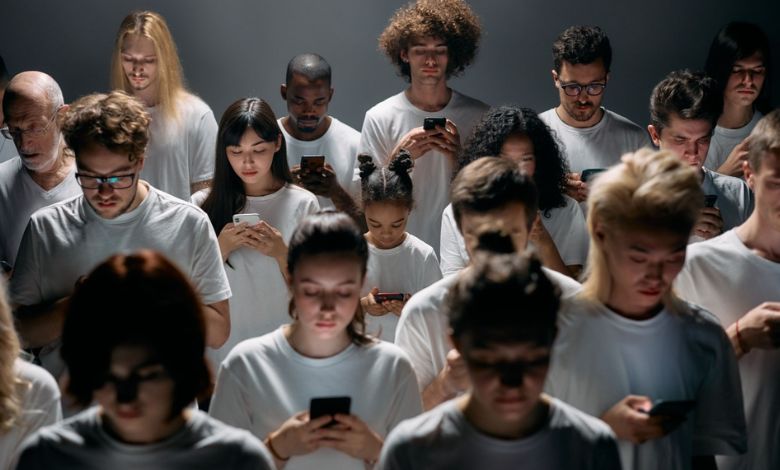
In the pursuit of efficiency and perfection, AI may be gradually eroding the diversity of human expression, warns Dr James Kang of RMIT University Vietnam. Increasingly, everyday communication—emails, messages, and academic writing—is being polished by AI tools, often resulting in uniform, neutral, and highly professional language.
While AI can be helpful for grammar correction and tone improvement, its growing role in composing text raises concerns about authenticity. Common phrases such as “I hope this email finds you well” now appear in nearly identical forms across communications, making it difficult to distinguish human voice from machine refinement. This shift may lead to smoother interactions, but also less individuality in expression.
Experts caution that when people rely heavily on AI, personal tone, emotion, and personality may be filtered out. Over time, this could create a “standardised” communication style, where even personal messages begin to sound identical. In education, this trend is particularly concerning, as students may lose opportunities to develop independent thinking and creative writing skills.
Researchers also note that AI-driven writing tools can subtly influence cultural expression, aligning diverse voices toward dominant linguistic styles. As AI becomes more integrated into daily communication, experts stress the importance of preserving human originality, ensuring that technology enhances rather than replaces personal identity.