
UCT Project Enhances Support for Adolescent Mothers Through Comprehensive Referral System

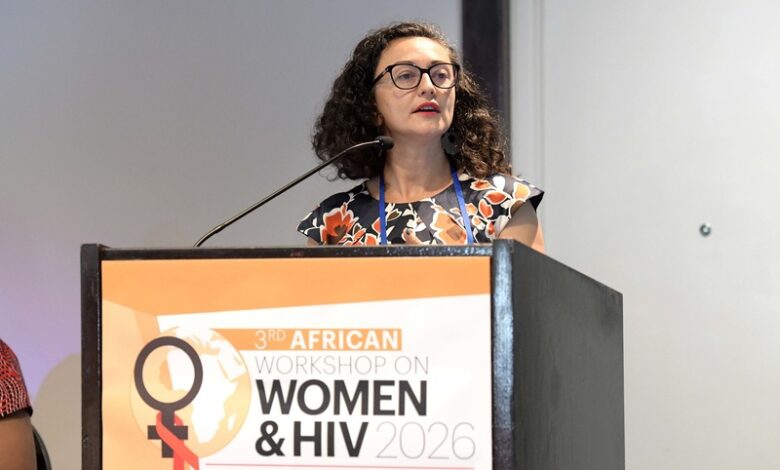
A recent presentation by Associate Professor Elona Toska from the University of Cape Town highlighted the importance of customized support for adolescent mothers, particularly given forecasts indicating that Africa’s adolescent population may reach one billion by 2050. The projected doubling of young mothers necessitates the design of services that specifically address their needs.
Overview of the Workshop
The presentation took place during the 3rd African Workshop on Women and HIV, held on March 12-13 in Cape Town. This workshop aimed to improve the quality of life for women living with HIV, reduce transmission rates, and enhance care integration. Local co-chairs for the event included UCT academics Associate Professor Phumla Sinxadi and Dr. Elzette Rousseau.
Key Insights from the Presentation
Toska’s presentation, titled “From Research to Reality: Outcomes and Insights from a Multi-Pronged Referral System for Adolescent Mothers Living with and Affected by HIV in South Africa,” discussed findings from the “Help Empower Youth Brought Up in Adversity with Their Babies and Young Children” (Hey Baby) project. This initiative is a collaboration between UCT and the University of Oxford, currently being conducted in the Eastern Cape.
Challenges Faced by Adolescent Mothers
The research focuses on the specific challenges faced by adolescents living with or affected by HIV, particularly concerning relationships that lead to pregnancies. Toska remarked that while many young mothers display a strong affection for their children, early pregnancies are often unplanned, underscoring the necessity for robust support systems.
Impact of the Hey Baby Project
Since its launch in 2018, the Hey Baby project has involved over 1,000 adolescents, who are mothers to around 1,700 children. The initiative emphasizes social research methodologies instead of medical interventions, focusing on providing referrals for further support as required.
Health and Support Needs of Participants
Toska noted that approximately 33% of participants are living with HIV, a group facing complex challenges, especially regarding their children, some of whom may have been exposed to the virus. Extensive one-on-one interviews have been conducted between 2020 and 2025, gathering detailed data on various aspects including mental health, domestic violence, education, and nutritional requirements.
Findings on Referral Needs
The interviews indicated that a substantial number of adolescent mothers, particularly those who are HIV-positive, require assistance. This group was found to be 47% more likely to seek referrals compared to their counterparts. The findings emphasize the need for ongoing support to assist these young mothers in navigating their unique situations, highlighting that needs evolve as both mothers and children develop.
Importance of Timing in Support
The research also suggests that the timing of referrals plays a crucial role, as many young mothers may not be prepared to accept help when it is first offered. Recognizing this timing and understanding the changing needs of mothers as their children age is vital for creating effective support strategies.
Conclusion
This initiative underscores the significance of comprehensive and adaptable support systems for adolescent mothers, aiming to empower them in challenging circumstances.
(Source: University of Cape Town News)