NUS School of Computing Partners with OpenAI to Train Future-Ready AI Graduates

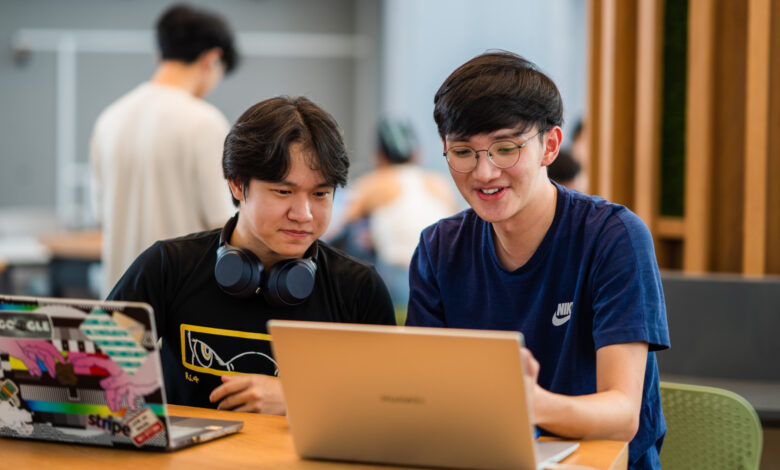
The National University of Singapore’s School of Computing (NUS Computing) has entered a partnership with OpenAI to enhance its curriculum and educational framework, emphasizing the integration of advanced artificial intelligence (AI) technologies. This collaboration intends to equip Computing graduates with the skills necessary for a future shaped by AI advancements.
Partnership Overview
The partnership leverages OpenAI’s enterprise-grade educational platform, which features AI-assisted software development tools such as Codex. Through the implementation of these tools, both undergraduate and graduate students will engage with innovative AI technologies. Codex, based on the GPT-5.4 model, assists developers in various tasks, including code generation, debugging, and software development workflows. The initiative is designed to reinforce students’ computing fundamentals while providing hands-on experience with AI technologies in practical development settings.
AI Adoption in Singapore
Data from OpenAI indicates that Singapore is one of the leading global users of Codex, reflecting a swift adoption of AI-assisted software development among developers and students. The primary goal of this initiative is to prepare graduates with relevant industry skills, promoting the responsible application of AI in professional environments. This approach aligns with Singapore’s broader strategy to enhance national AI capabilities and cultivate a digitally adept workforce.
Insights from NUS Computing
Professor Tulika Mitra, Dean of NUS Computing, emphasized the continued significance of strong computing foundations amid the evolution of AI. She pointed out that foundational knowledge in mathematics, algorithms, and systems thinking remains essential as technology evolves. NUS Computing aims to provide practical experiences with advanced AI, supported by collaborations with industry partners like OpenAI.
OpenAI’s Commitment
Oliver Jay, Managing Director at OpenAI, highlighted Singapore’s robust environment for technology and innovation, expressing commitment to developing the next generation of AI-native developers. He noted that providing students with resources such as ChatGPT and Codex will empower them with critical computing skills and real-world experience.
Curriculum Integration
The collaboration is expected to incorporate AI into over 30 undergraduate courses, including modules on software engineering and systems development. This integration allows students to explore innovative design approaches and apply AI technologies in their projects. Courses such as “CS3216 Software Product Engineering for Digital Markets” and “IS4403 Agentic AI Solutions and Development” already facilitate student engagement with AI tools.
Industry-Linked Projects
NUS Computing’s curriculum also encourages students to apply AI in industry-linked capstone projects addressing real-world challenges. These projects incorporate elements such as data engineering and machine learning, enabling students to create intelligent systems that improve workflow automation and decision-making in various sectors.
Practical Learning Opportunities
In addition to classroom instruction, students will have access to workshops, training sessions, and hackathons organized by OpenAI and its partners. These opportunities will provide practical exposure to industry practices and help students develop AI-native prototypes. The collaboration also aims to connect NUS Computing students with the wider AI innovation ecosystem, presenting them with opportunities to showcase their work and explore careers in AI.
Alumni Perspective
Jordan Seow, an alumnus of NUS Computing and a Forward Deployed Engineer at OpenAI, commented on the educational advancements that allow current students to utilize advanced AI tools during their studies. He emphasized the importance of blending foundational knowledge with modern AI resources to drive innovation.
Conclusion
In summary, NUS Computing is focused on developing future leaders prepared with the essential skills needed to design and innovate advanced computing and AI systems that will impact the digital economy.
Original Source: National University of Singapore News