
Integrating Universities into the Primary Health Care Agenda for Sector Transformation: Insights from Prof Letlhokwa Mpedi

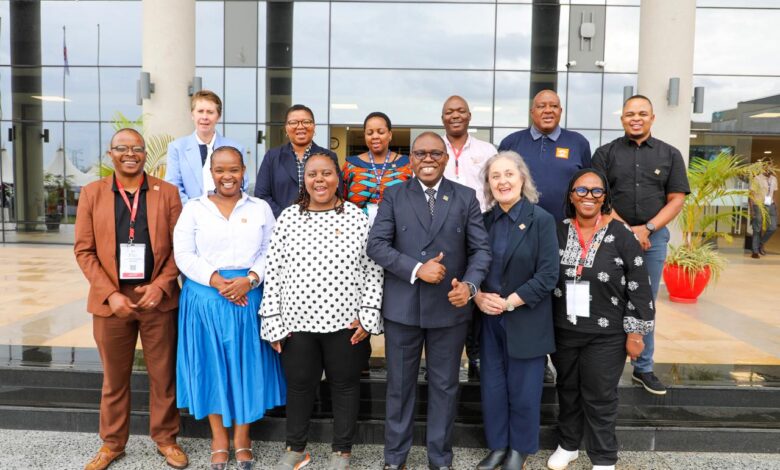
Professor Letlhokwa Mpedi, Vice-Chancellor and Principal of the University of Johannesburg, highlighted the importance of integrating universities into the Primary Health Care (PHC) agenda during a keynote address at the Second Primary Health Congress. The event took place at Amref International University in Nairobi, Kenya, and was organized in partnership with the University’s Faculty of Health Sciences. This year’s theme was “Redesigning Primary Healthcare: Building Resilience Amidst Global Uncertainty.”
Key Remarks on Healthcare Challenges
In his remarks on March 4, 2026, Professor Mpedi outlined the pressing nature of the conference’s theme, pointing to various factors that are fundamentally altering healthcare systems across Africa. These factors include demographic changes, shifts in disease prevalence, financial constraints, technological advancements, climate challenges, and threats to global health security.
The Impact of Healthcare Expenses
To illustrate the gravity of the situation, he cited data indicating that approximately 150 million Africans fall into poverty annually due to healthcare expenses. The World Health Organization (WHO) further estimates a shortfall of 6.1 million healthcare workers in Africa by 2030. Professor Mpedi emphasized that these statistics represent individuals and families who are adversely affected by current healthcare systems.
The Role of Universities in Primary Health Care
He articulated that the pathway to achieving Universal Health Coverage and health equity in Africa is rooted in a robust Primary Health Care framework. Professor Mpedi called for a reevaluation of the role that universities play in the transformation of PHC, advocating for them to be recognized as integral participants rather than merely peripheral contributors. He noted that universities are essential sources of knowledge, human capital, and innovation, with responsibilities that extend into the communities they serve.
Engagement with Kenyan Institutions
During the visit, the University of Johannesburg delegation participated in discussions with various Kenyan institutions, including Karatina University and the Kenya Advanced Institute of Science and Technology. The conversations addressed collaborative opportunities in higher education, research innovations, and potential exchange programs aimed at fostering sustainable development initiatives. Additionally, the delegation held a meeting with the African Academy of Sciences to explore avenues for mutually beneficial collaborations.
Alumni Engagement Event
The visit culminated in an alumni event on March 6, 2026, designed for University of Johannesburg graduates residing in Kenya to reconnect and network, along with interactions with the University’s leadership team. This engagement is seen as an important strategy to enhance the University’s presence and influence throughout Africa and beyond.
(Source: news.uj.ac.za)