

Polycystic ovary syndrome (PCOS), a condition affecting approximately one in eight women globally, has been officially renamed polyendocrine metabolic ovary syndrome (PMOS) by an international consortium of experts. The change reflects a broader understanding of the condition as a complex hormonal and metabolic disorder rather than one limited to the ovaries.
The renaming process began in 2012 during a meeting hosted by the US National Institutes of Health (NIH). After 14 years of global collaboration involving more than 14,000 healthcare professionals and patient representatives, the updated terminology was formally announced at the European Congress of Endocrinology in Prague and published in The Lancet.
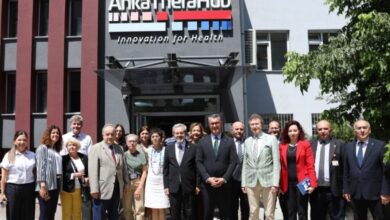
Hacettepe University played a significant role in this international effort through over 25 years of research on PCOS and obesity. Prof. Dr. Okan Bülent Yıldız, from the Department of Endocrinology and Metabolism, contributed as a member of the global consortium that supported the redefinition of the condition.
Experts emphasized that PMOS better captures the systemic nature of the disorder, which is associated with insulin resistance, obesity, diabetes, hormonal imbalance, and cardiovascular risk. The new definition highlights that the condition affects multiple organ systems and requires a holistic approach to diagnosis and care.
The updated nomenclature is expected to improve early detection, clinical management, and patient awareness, marking a significant milestone in women’s health research and global medical consensus.