Nelson Mandela University Launches Africa’s First University-Led Waste-to-Energy Research Initiative

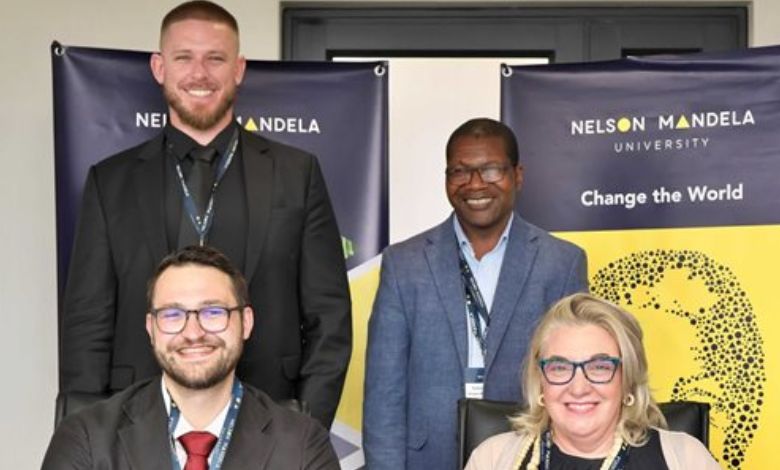
Nelson Mandela University has initiated a research partnership focused on sewage sludge management in African municipalities and agriculture. This initiative, launched on February 2 with the signing of a Memorandum of Understanding (MoU) with Sustainalutions, aims to convert sewage sludge into renewable energy and affordable organic fertilizer.
Unique Initiative in Africa
Designated as the first university-led initiative of its kind in Africa, this project utilizes thermal hydrolysis process technology to address the environmental challenges associated with wastewater sludge processing. The goal is to enhance local infrastructure, agriculture, and energy sectors.
Goals of the Partnership
Professor Azwinndini Muronga, Deputy Vice-Chancellor for Research, Innovation and Internationalisation at Nelson Mandela University, noted that the partnership aligns with the university’s objective to produce research with significant societal impact. The signing of the MoU aims to foster socio-economic and environmental benefits.
Core Technology Details
The core technology of the project involves the high-temperature and high-pressure processing of sludge, which is designed to improve biogas yields and produce pathogen-free biosolids suitable for commercial sale. Alec Prieto, Director of Sustainalutions, characterized the initiative as a valuable response to often-overlooked sewage sludge disposal issues, transforming a challenge into a beneficial asset.
Benefits for Local Farmers
Farmers in the Eastern Cape province, known for producing various crops, including pineapples, stand to gain from this method, especially given the rising costs of fertilizers and inconsistent electricity supply. Nelson Mandela University plans to conduct research activities that include sample collection, local modeling, and feasibility studies, in collaboration with the University of KwaZulu-Natal.
Support from Local Officials
Support from officials in the Nelson Mandela Bay Municipality has been expressed, underlining the city’s need for innovative strategies to improve sludge management while promoting local resilience and environmental responsibility.
A Broader Impact
The partnership aims not only to address current economic and environmental challenges but also to establish a model for similar initiatives throughout Africa. With projections ranging from small-scale systems to larger facilities, the program seeks to enable significant energy generation and fertilizer production, laying the groundwork for impactful implementation.
Future Engagement with Stakeholders
Municipal stakeholders will continue to be engaged to identify appropriate sites for the project, with deployment anticipated within a two to five-year timeframe following the establishment of the project scope.
This initiative is reported by the Nelson Mandela University News.