Study Finds Narrow-Ridged Finless Porpoises Are More Social Than Previously Believed

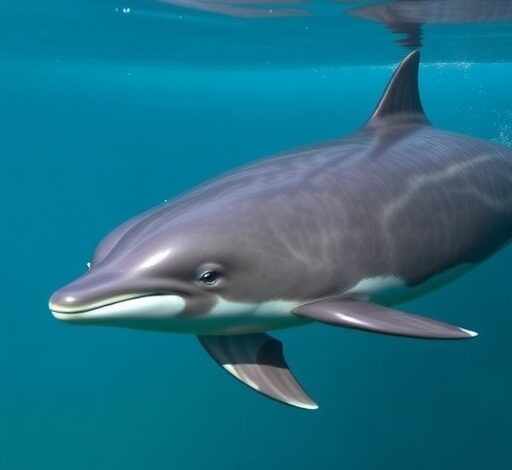
A recent study has revealed that the narrow-ridged finless porpoise (Neophocaena asiaeorientalis), long considered a largely solitary marine mammal, may be significantly more social than previously believed. Observations conducted in Ise Bay, Japan, challenge earlier assumptions that the species primarily engages only in mother–calf interactions.
Led by Associate Professor Mai Sakai from Kindai University’s Marine Mammal Research Laboratory, the research documented evidence of allomaternal behavior—where calves interact with adult porpoises other than their biological mothers. Using drone-based monitoring over a 34-day period in 2023, researchers recorded multiple instances of calves engaging in parallel swimming with different adults, suggesting more flexible social relationships than previously recognized.
Parallel swimming, a coordinated movement pattern seen in cetaceans, may provide both social bonding and energetic advantages for young porpoises. In some cases, adults also initiated contact with calves, indicating possible caregiving or learning behavior among non-maternal individuals.
These findings challenge the long-standing view of finless porpoises as solitary animals and suggest a more dynamic social structure. The study also highlights the effectiveness of drone technology in observing elusive marine species without disturbing their natural behavior.
Researchers believe these insights could influence future conservation strategies and rehabilitation efforts for this vulnerable species.