
Impact of Frequent Arctic Wildfires on Snow Cover and Global Climate: PolyU Research Findings

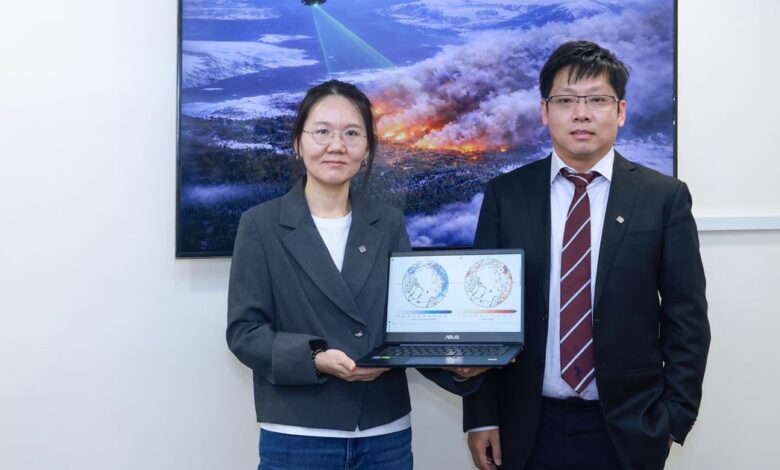
Research conducted by The Hong Kong Polytechnic University (PolyU) indicates that the increasing frequency of seasonal wildfires in the Arctic has led to a significant delay in snow cover formation. Projections suggest a potential reduction in snow cover duration by up to 18 days in the future, raising concerns about the implications for global ecosystems. This study aligns with the United Nations’ “Decade of Action for Cryospheric Sciences,” underscoring the urgency of addressing climate change and contributing to scientific strategies for climate adaptation.
The Importance of Snow Cover in the Arctic
In the Arctic, snow cover is pivotal for regulating the global climate system, as it reflects solar radiation and provides meltwater, an important source of freshwater. Disruptions, such as delayed snow formation or premature melting, may intensify warming and adversely impact water resources, forest productivity, and carbon sequestration, resulting in broader consequences for global biodiversity.
Research Leadership and Collaboration
The study was led by Professor Shuo Wang, an Associate Professor in PolyU’s Department of Land Surveying and Geo-Informatics, in collaboration with researchers from the University of California, Irvine, and Columbia University. The findings were published in the journal Nature Climate Change.
Wildfire Activity in the Arctic
Professor Wang noted that global warming has intensified the frequency and magnitude of wildfires in the Arctic. Notably, in 2023, Canada experienced unprecedented wildfire activity, burning over 45 million acres—nearly ten times the average annual area burned over the past four decades. The research focused on the relationships between wildfires, snow formation processes, and snow cover duration to enhance understanding of land-atmosphere interactions in a changing climate.
Methodology of the Study
Utilizing long-term satellite remote sensing data on burned areas and snow cover, the research team incorporated these data with an advanced artificial intelligence model utilizing the XGBoost machine learning algorithm. This model accounted for various climate factors and fire locations over time to assess their impacts on snow cover.
Research Findings and Projections
Results indicated a direct correlation between the increased area burned in the Arctic and decreased snow cover duration. From 2001 to 2018, the average snow cover lasted 205 days, which is ten days shorter than the average duration from 1982 to 2000. Projections using the CMIP6 climate model suggest that under a high-emissions scenario (SSP5-8.5), the annual burned area in the Arctic could increase by 2.6 times by 2100, leading to a reduction in snow duration to approximately 130 days—18 days less than the historical average from 1950 to 2014.
Impact of Wildfires on Snow Cover Formation
The study also observed that significant wildfires delay snow cover formation, with major wildfires causing an average delay of over five days in snow start dates compared to the three-year average before the fire. The research identified that residual black carbon following wildfires decreases surface albedo, leading to greater solar radiation absorption, increased land surface temperatures, and hindered snowfall accumulation.
Feedback Loop and Ecosystem Vulnerability
Professor Wang pointed out that wildfires alter Arctic surface characteristics and decrease snow cover duration, creating a feedback loop that aggravates the surface energy imbalance, prolongs land exposure, and fosters conditions that promote further extensive wildfires. Such a cycle introduces significant vulnerabilities to the Arctic ecosystem in the context of climate change impacts.
Future Implications and Research Goals
The research team aims for these findings to provide a robust basis for predicting future hydrological cycles and climate dynamics in the Arctic. Additionally, the study seeks to contribute to assessments of ecosystem resilience and the development of effective climate adaptation strategies to mitigate climate change effects.
(Source: PolyU Media Release)