
Researchers from Universiti Putra Malaysia have highlighted the critical role of adequate, high-quality protein intake in preventing sarcopenia, a condition characterised by the loss of muscle mass and strength, particularly among older adults.
According to Professor Prof. Dr. Chan Yoke Mun from the Department of Dietetics, Faculty of Medicine and Health Sciences, sarcopenia has emerged as a major public health concern due to the rapidly ageing population in Malaysia and worldwide. The condition not only reduces physical function but also increases the risk of falls, hospitalisation, and poor quality of life among the elderly.
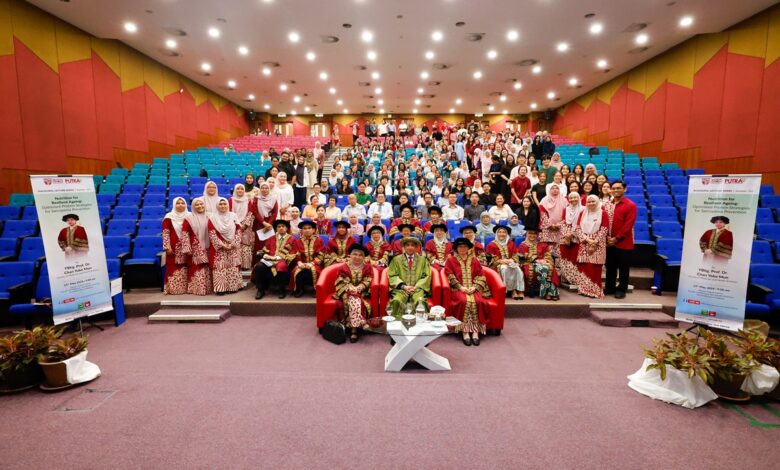
In her inaugural lecture titled Nutrition for Resilient Ageing: Optimised Protein Strategies for Sarcopenia Prevention, she emphasised the importance of sufficient protein intake, optimal distribution across meals, and adequate leucine consumption to stimulate muscle protein synthesis through the mTOR pathway.
She recommended that older adults consume approximately 0.4 grams of protein per kilogram of body weight per meal. For example, a 50-kilogram individual requires around 20 grams of protein per meal to meet daily nutritional needs.
Protein sources such as fish, chicken, eggs, beef, tofu, tempeh, soy, and legumes were identified as important dietary options. She also noted that nutritional supplements or protein-based beverages may help elderly individuals with reduced appetite.
The study underscores the need for early awareness and proper nutrition education to reduce the risk of sarcopenia and promote healthier ageing.