Embracing Mandarin Through a Cultural Tea Ceremony: A Practical Approach to Language Learning

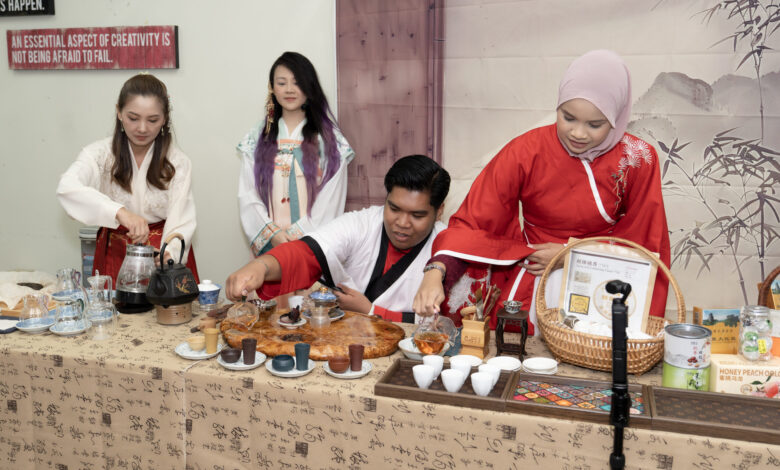
A recent Chinese Tea Ceremony at Universiti Tun Hussein Onn Malaysia (UTHM) underscored the importance of cultural immersion in the process of learning Mandarin. The event offered students an opportunity to engage with traditional Chinese customs, facilitating a deeper understanding of the language that extends beyond conventional classroom instruction.
Hands-On Experience with Tea Preparation
Participants in the ceremony observed and engaged in the tea preparation process, which included handling specific tea utensils, managing water temperature, and executing traditional serving gestures. This hands-on experience allowed students to internalize concepts such as respect, politeness, and harmony—values that are pivotal in Mandarin studies—through practical engagement rather than theoretical learning.
First Close Interaction with Chinese Culture
For many students, especially those at a beginner level, the ceremony marked their first close interaction with Chinese cultural practices. The serene environment created an opportunity for mindful observation, reinforcing the idea that cultural understanding often lays the groundwork for effective verbal communication.
Feedback and Impact on Language Learning
Feedback from attendees indicated that the ceremony not only enhanced their confidence but also reduced the anxiety commonly associated with language learning. The distinction between regular tea consumption and ceremonial practices prompted students to reflect on their daily routines while recognizing the unique cultural significance tied to the tea ceremony.
The Broader Implications for Language Education
This event highlighted that effective communication involves more than just vocabulary and grammar mastery. By integrating cultural practices with language education, UTHM aims to equip students for interactions within Malaysia’s multicultural landscape and the broader global community. Such initiatives are crucial for educational institutions committed to producing graduates who possess cultural awareness and strong communication skills, regardless of their language proficiency.
Source: Universiti Tun Hussein Onn Malaysia