
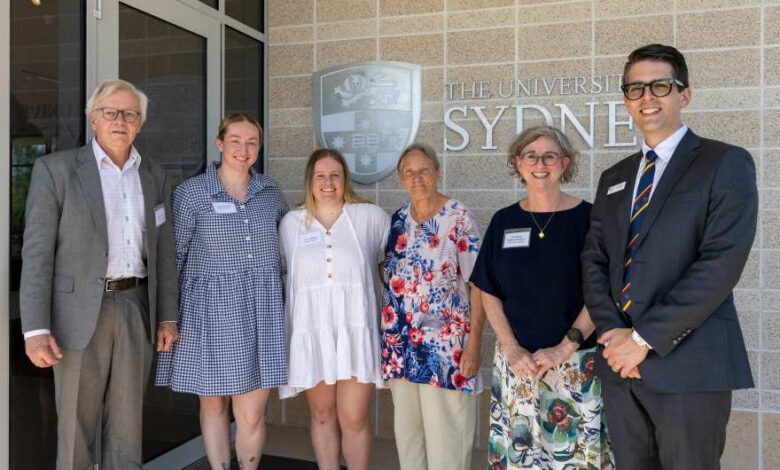
The University of Sydney has opened a new Student Centre in Dubbo to support students enrolled in its Doctor of Medicine (MD) program at the School of Rural Health.
Named Dabaamalang Ngurang, meaning “gathering place” in the Wiradjuri language, the centre provides a dedicated space for students to study, connect, and take part in social and community activities. The project was made possible through a philanthropic donation and aims to enhance both the academic and personal experience of medical students living in a regional area.
Dean of the Faculty of Medicine and Health, John Prins, said the facility highlights the importance of learning beyond the classroom. He noted that students in the MD program develop not only scientific knowledge but also the skills needed to practise medicine effectively in rural communities. With nearly 100 students now studying in Dubbo, the centre offers an important space for building friendships and fostering a strong sense of belonging.
The new facility includes study areas, kitchen amenities, and recreational spaces, complementing existing infrastructure such as teaching buildings, simulation suites, student accommodation, and outdoor facilities.
Professor Jane Bleasel, Dean of Sydney Medical School, emphasized that high-quality facilities play a key role in supporting both student wellbeing and academic success. She added that environments which encourage collaboration and connection are essential for a positive learning experience.
Students in the Dubbo program can now complete the entire MD degree locally while receiving the same standard of education as their peers in Sydney. The program also provides valuable hands-on experience in rural and remote healthcare settings.
Developed under the Murray–Darling Medical Schools Network, the Dubbo stream aims to address the shortage of doctors in regional and remote areas. It prioritizes students from rural backgrounds and First Nations communities, helping to strengthen healthcare services where they are needed most.