Tet: Lessons in Maturity Beyond the Classroom for Young Adults

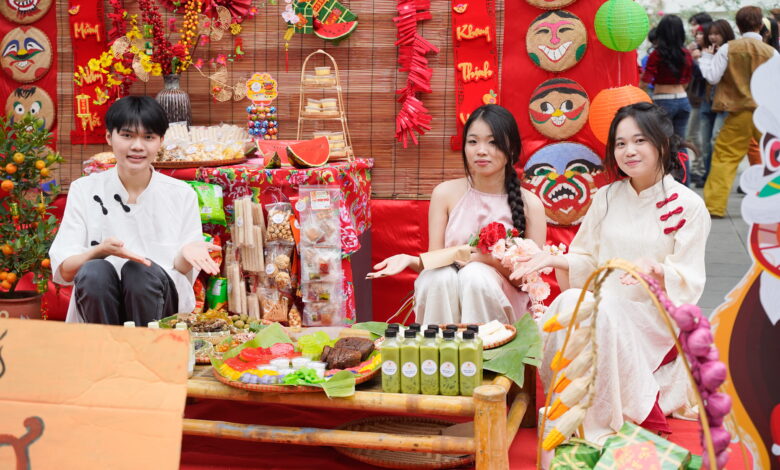
Tet, also known as Lunar New Year, is commonly viewed by young individuals as a time for leisure, providing a break from academic responsibilities and work commitments. However, this holiday offers significant lessons in maturity that extend beyond formal education.
Changes in Urban Environments
As Tet approaches, noticeable changes occur in urban environments. Cities become busier, with individuals rushing to complete tasks or finalize travel plans to return home. This urgency prompts the younger generation to recognize the interconnectedness of their actions with family expectations, transforming personal decisions about returning home into considerations for those left behind.
Transition to Adulthood
The enthusiasm surrounding Tet shifts from the anticipation of receiving gifts to a desire for participation in family activities, particularly in preparations for the New Year’s Eve celebration. This moment signifies a critical transition for young individuals as they begin to assume greater responsibilities, marking their movement toward adulthood.
Demonstrating Maturity
Maturity is often reflected not only in professional achievements or financial independence but also in simple acts such as assisting with household chores, preparing meals, or caring for family members. These seemingly minor responsibilities illustrate a shift from being nurtured to actively caring for others.
Cultural Heritage and Personal Growth
As young individuals engage in traditional practices such as wrapping banh chung (Vietnamese rice cake), they gain a deeper appreciation for their cultural heritage during Tet. This period also highlights subtle transitions, as roles evolve from being passengers on a parent’s motorbike to taking on the responsibility of driving within the family. Such experiences serve as important indicators of personal growth.
Gifting and Gratitude
A significant milestone for many is the experience of using personal earnings to gift parents during Tet. The meaning behind this gesture often transcends its monetary value, representing gratitude and an intention to contribute to the family.
Family Memory and Continuity
Tet also underscores the importance of family memory and continuity. Engaging in storytelling and traditional practices fosters a sense of connection to the broader family narrative, reinforcing the idea that young individuals are part of a lineage that embodies values passed down through generations.
Interpersonal Relationships
Celebrations during Tet also enhance interpersonal relationships. Interactions with relatives, extending New Year’s greetings to teachers, and expressing care contribute to the development of meaningful relationships that surpass superficial connections.
Emotional Significance of Tet
Although the excitement surrounding Tet may decrease with age, the emotional significance often intensifies. The focus shifts from leisure activities to familial bonds, shared meals, and the well-being of loved ones.
The Journey Home
While travel can broaden perspectives, Tet emphasizes the importance of returning home as a form of rejuvenation and self-reflection. The journey home symbolizes a reconnection to one’s roots, serving as a reminder of individual identity and purpose.
Life Lessons during Tet
As a distinctive period for imparting life lessons, Tet offers valuable opportunities for introspection and personal development. Within the warmth of family gatherings, important lessons about kindness, responsibility, and connection thrive outside the realms of traditional education.
Carrying Hopes and Responsibilities
Ultimately, as individuals prepare to move forward after Tet, they carry not only physical gifts but also the hopes and responsibilities of their families, recognizing that their journeys are interconnected with the well-being of their loved ones and the communities to which they belong.
Author: Cao Hoà