
A recent whitepaper from RMIT University examines the evolving landscape of Vietnamese music, highlighting how local artists and audiences are integrating cultural heritage with global influences to shape a distinct V-Pop identity. The report, titled Vietnam Music Landscape 2025-2026, presents findings from researchers at the School of Communication & Design at RMIT University Vietnam, showcasing a vibrant and developing music sector.
Significant Advances in Vietnamese Music
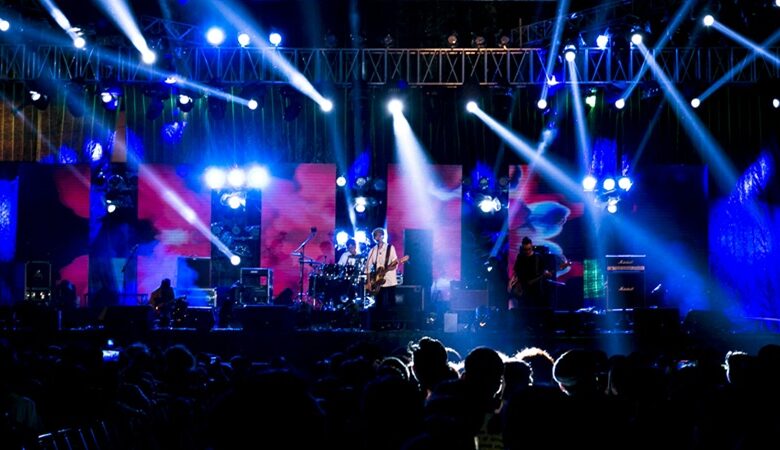
The whitepaper reviews significant advances in Vietnamese music over the past year, noting that 2025 marked a pivotal year with the hosting of over 800 music events. August was highlighted as a peak month for live entertainment, featuring major concerts such as V Concert – Rạng rỡ Việt Nam and Tổ quốc trong tim, which attracted audiences ranging from 25,500 to 50,000 attendees on each night.
International Recognition of Vietnamese Musicians
Vietnamese musicians have also gained recognition on the international stage, with Duc Phuc achieving first place at Intervision 2025 in Moscow and Phuong My Chi securing third place at Sing! Asia 2025. Notable global artists, such as G-Dragon, attracted nearly 100,000 fans to a concert in Vietnam, further underscoring the country’s rising prominence in the regional music scene.
Industry Growth and Professionalization
Associate Professor Nguyen Van Thang Long, who led the research, commented on the significant growth in both the quantity and quality of music in Vietnam. However, he noted that the sector must adopt comprehensive professionalization and sustainable development strategies to effectively compete in both local and global markets.
Cultural Development and Music
The report connects the music industry to Vietnam’s broader cultural development strategy, referencing the National Target Program on Cultural Development (2025-2035), which allocates substantial funding for the preservation of cultural traditions. The study posits that music serves as a crucial medium for cultural diplomacy.
The Role of Music in Unifying Creative Industries
Professor Donna Cleveland, Dean of RMIT Vietnam’s School of Communication & Design, articulated music’s role in unifying various creative industries and enhancing the global visibility of Vietnamese identity. The report identifies emerging trends, including “V-folktriotism,” which combines folk-inspired elements with contemporary genres, and “glocalisation,” whereby artists create music that resonates with global audiences while retaining local characteristics.
Case Study: Viral Success of *Bắc Bling*
One notable example from the report is the viral success of Bắc Bling by Hoa Minzy, which led local authorities to arrange tours of the locations featured in the music video, thereby promoting regional tourism. The research team emphasizes the potential of music as a strategic asset for cultural branding and advocates for organized strategies across various sectors to elevate Vietnam’s music scene to a global level.
Insights for Artists and Policymakers
The whitepaper serves as a resource for artists, brands, and policymakers, providing insights on enhancing Vietnam’s cultural image and its integration into the global music industry. Further information can be obtained through RMIT’s official channels.
Source: RMIT University