Nano-Based Wound Care: Advancements from Research to Patent at Lincoln University College

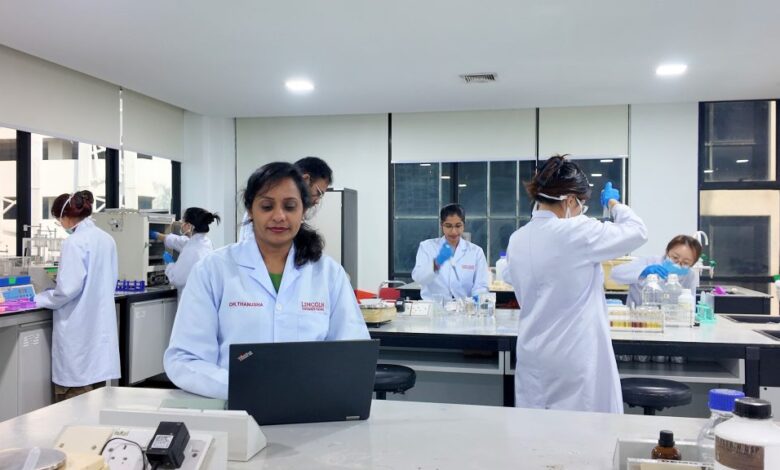
Lincoln University College (LUC) has obtained a patent from the Intellectual Property Corporation of Malaysia (MyIPO) for a novel nanotechnology-based wound-cleansing formulation, which was developed as a result of comprehensive laboratory research.
Research Overview
The project, directed by Professor Satheesh Babu and led by Dr. Thanusha Perera, involved collaboration with the Faculty of Pharmacy research team. This research addresses significant challenges associated with bacterial biofilms in wound management. These biofilms protect bacteria from antibiotic treatment and immune responses, often leading to delayed healing and ineffective management of chronic wounds. Traditional wound cleansers frequently fall short in eradicating these biofilms, which can contribute to recurring infections.
Innovative Formulation
Dr. Thanusha Perera stated that the research aimed to not only clean wounds but also to eliminate the invisible barriers that hinder effective healing. The formulation integrates essential oils and enzymes within a nanotechnology-based delivery system, which is designed to enhance antimicrobial activity and facilitate the disruption of biofilms. Laboratory studies demonstrated a substantial reduction in bacterial load and effective biofilm disruption, with nano-carriers improving penetration and stability of the enzymes at wound sites.
Evaluation Results
In vitro and in vivo evaluations of the formulation produced promising safety results and indicated potential improvements in wound-healing outcomes. Comparative laboratory tests revealed that the formulation achieved approximately 80% biofilm inhibition within a brief period, outperforming several commonly marketed wound-cleansing products.
Future Directions
Professor Satheesh highlighted the formulation’s rapid and effective biofilm disruption, illustrating its scientific and clinical potential. However, the research encountered challenges, particularly in the optimization of nano-carrier systems and achieving a balance between enzyme stability and antimicrobial effectiveness.
Next Steps
Moving forward, Lincoln University College intends to continue refining and validating this innovation, pursuing partnerships for scale-up development, regulatory planning, and commercialization to facilitate the transition of the product from laboratory settings to clinical application. This initiative not only reflects the institution’s strengths in pharmaceutical and biomedical innovation but also aims to inspire students and researchers dedicated to advancing healthcare solutions.
Source: Lincoln University College News.