
Plant Diversity as a Key Predictor for Resilience Against Grazing Pressure in Drylands

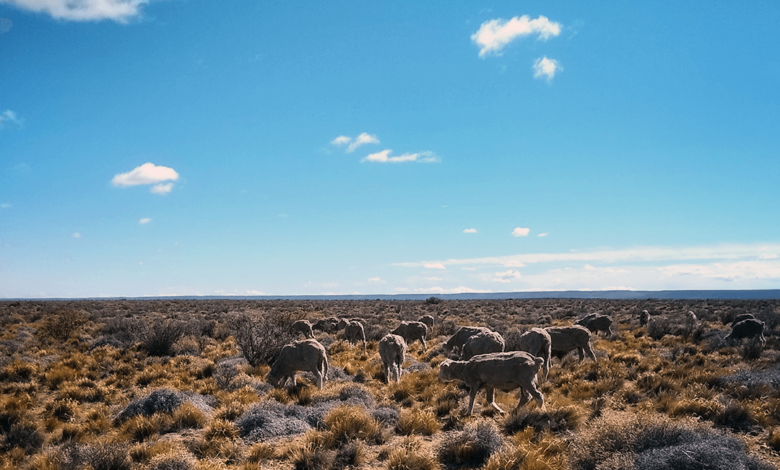
Research conducted at King Abdullah University of Science and Technology (KAUST) indicates that plant species diversity serves as a significant predictor of ecosystem resilience to grazing pressure in dryland environments. The findings suggest that greater diversity within plant communities enhances the likelihood of maintaining vegetation cover in the face of increasing grazing activity, surpassing other factors such as climate, soil conditions, or type of livestock.
The Importance of Drylands
Drylands play a crucial role in global livestock production, supporting nearly half of this sector and the livelihoods of approximately one billion people. These ecosystems are also vital for soil stability and carbon storage, making it essential to understand their productivity under stress.
Study Overview
Published in *Nature Ecology & Evolution*, the study presents one of the most extensive assessments of grazed drylands to date. Researchers analyzed data from 73 sites across 25 countries and six continents, employing standardized field methods to examine vegetation responses across varying levels of grazing pressure. The environments sampled included grasslands, shrublands, steppes, and savannas.
Key Findings
Results indicated that vegetation cover typically declines by an average of 35% with increased grazing; however, the extent of this decline varies significantly. Among various factors, including rainfall, temperature, vegetation type, soil characteristics, and grazing intensity, plant species richness emerged as the most crucial element in predicting ecological resistance.
Insights from Researchers
Lucio Biancari, the study’s corresponding author and a researcher at KAUST, emphasized the consistent impact of plant diversity. Ecosystems characterized by a wider variety of plant species are more effective in sustaining vegetation cover under grazing conditions.
The research highlights that diverse plant communities enhance their resilience to stress by spreading grazing pressures across multiple species. Conversely, ecosystems with lower diversity are more vulnerable to sudden vegetation loss due to a lack of this buffering capacity.
Challenging Prior Assumptions
Additionally, the research challenges prior assumptions regarding plant community resilience, particularly noting that shrub-dominated systems are not inherently more robust. In instances where shrubs overshadow herbaceous plants, diminishing overall diversity, those systems exhibited lower resistance, underscoring the importance of ecological variety over the dominance of any single plant type.
Implications for Land Use
Amid rising grazing pressure globally, the implications of this research are particularly significant for regions such as Saudi Arabia, where grazing constitutes the primary land use in many dryland areas. The study underscores the crucial function of plant diversity in facilitating ecosystem resilience, thereby providing insights for land restoration and sustainable grazing practices.
Future Considerations
Fernando Maestre, a professor at KAUST and the senior author of the study, highlighted the necessity of re-evaluating the understanding of resilience in drylands. He noted that the effects of grazing pressure are not uniform; diverse plant communities tend to distribute this pressure more evenly, while reduced diversity is linked to faster declines in vegetation health.
By synthesizing comparable data from diverse global contexts, the research conducted at KAUST contributes to a clearer understanding of the ecological conditions that promote stability in grazed drylands amid escalating land-use pressures.
Source: KAUST News