USeP Obrero Campus: First-Year and Continuing Students Welcome at 2025 University Convocation and Orientation

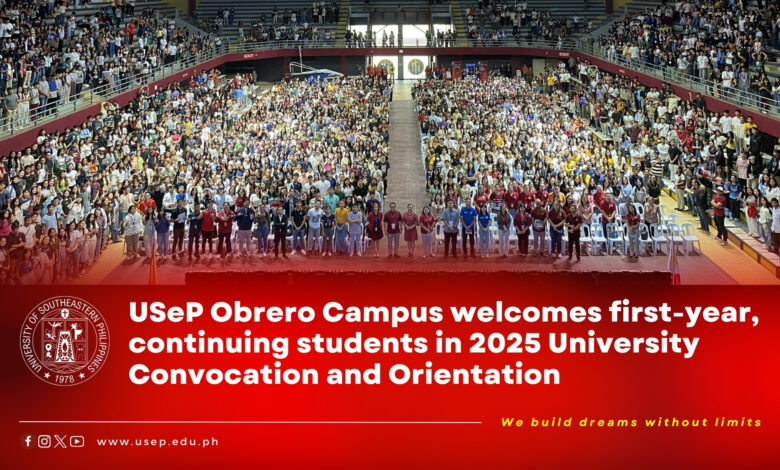
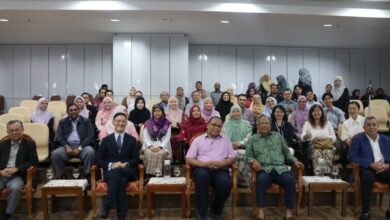
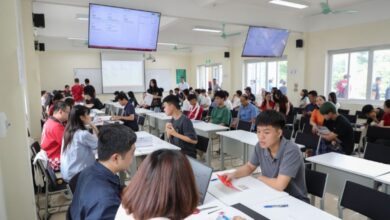
The University of Southeastern Philippines (USeP) Obrero Campus held its University Convocation and Orientation on August 20, 2025, to welcome both first-year and continuing students for the Academic Year 2025–2026. The event occurred at the University Gymnasium and Cultural Center.
Purpose of the Event
This half-day program aimed to formally introduce the university and provide essential information regarding services, offices, and advocacy initiatives that support students during their academic experience. Afternoon sessions were dedicated to college-based orientations, allowing students to connect with their respective academic communities.
Opening Remarks
Dr. Jeneifer C. Nueva, Vice President for Academic Affairs, opened the convocation by commending the new students on their acceptance into the university, referring to them as “Iskolars ng Bayan,” or scholars of the nation.
Message from the University President
University President Dr. Bonifacio G. Gabales, Jr. addressed the attendees, describing the convocation as a pivotal event marking the students’ official entry into the USeP community. He emphasized the significance of attending USeP as both a privilege and a responsibility, stating, “Thousands dreamed of joining this University, but only a chosen number succeeded. This is a privilege that carries with it a great responsibility. Your education is not only for yourselves but also for the nation.”
USeP’s Mission
Dr. Gabales further highlighted USeP’s mission to cultivate not only competent professionals but also civic-minded citizens and leaders capable of community transformation. He remarked, “This is the greater purpose of your education. USeP does not only prepare you for a profession, but it also prepares you for a life of service.”
Orientation Sessions
The orientation sessions included presentations from important university offices, such as the Office of the University Registrar, Office of Student Affairs and Services, and the Health Services Division. Additionally, the university highlighted its internationalization efforts through the International Affairs Division and outlined available services from other departments, including the Public Affairs Division and the Office of the Secretary of the University.
Advocacy Programs
Students were introduced to various advocacy programs, including the Land Transportation Office’s S.A.F.E. (Strengthening Advocacy for Future Educators and Drivers) Schools Initiative, PhilHealth Talk, and the “Safeguarding Learning Spaces” initiative led by Joy James A. Saguino.
(Source: University of Southeastern Philippines)